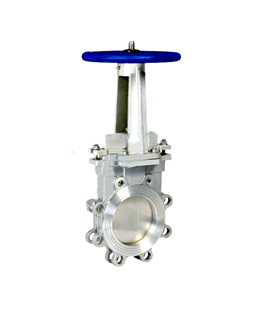
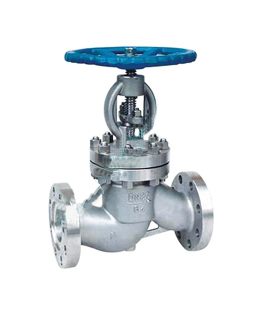
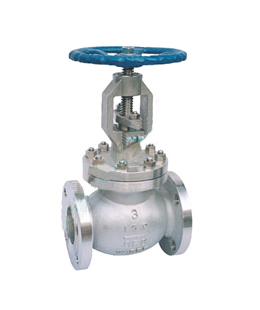
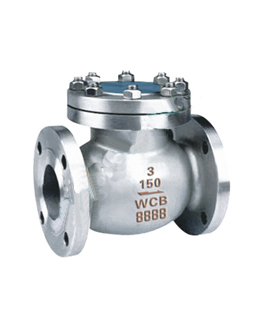
What Is Sanitary Diaphragm & Check Valves?
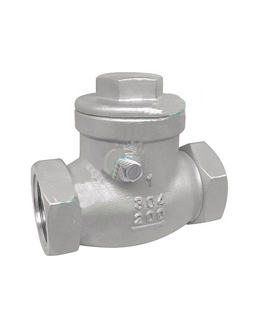
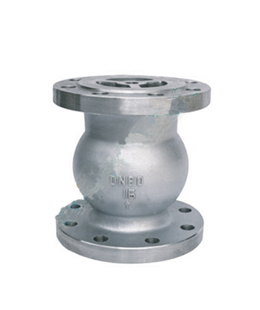
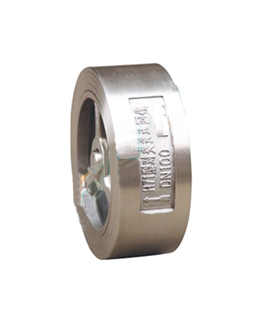
Sanitary diaphragm and check valves are hygienic flow devices: diaphragm valves give precise, contaminant-free throttling for aseptic duty, while check valves prevent reverse flow in clean lines.
Key Takeaways
- Diaphragm valves separate product from the actuator, ideal for aseptic and sterile service.
- Check valves are passive, preventing backflow without operator input.
- Both use 316L and food-grade diaphragms/seals (PTFE, EPDM, silicone).
- Suitable for pharma, biotech and high-purity water.
Specifications & Comparison
| Material | 316L stainless; PTFE / EPDM / silicone diaphragm |
|---|
| Type | Weir or straight-through diaphragm; spring or swing check |
|---|
| Connections | Tri-clamp, butt-weld, hygienic flange |
|---|
| Finish | Ra <=0.8 um; electropolish optional |
|---|
| Standards | 3-A - FDA - ASME BPE (option) |
|---|
How to Select the Right Sanitary Diaphragm & Check Valves
- Use diaphragm valves for aseptic throttling and sterile shut-off.
- Use check valves to stop backflow in filling and CIP returns.
- Pick diaphragm material for the product and sterilisation method.
- Confirm finish and documentation for pharma/BPE duty.
Typical Applications
- Aseptic pharmaceutical filling
- Bioprocess and fermentation
- High-purity water and WFI loops
- Sterile beverage and dairy
Frequently Asked Questions
Why use a diaphragm valve in pharma?
The diaphragm keeps product away from the actuator and gives a crevice-free, sterilisable bore suited to aseptic duty.
How does a sanitary check valve work?
It opens with forward flow and closes under reverse pressure to stop backflow, with no external control needed.
Materials & Chemistry
- 316L stainless steel - the low-carbon grade chosen for weld integrity and corrosion resistance in CIP and hygienic service.
- 304 stainless steel - lower-cost hygienic duty where corrosion is mild and welds are less critical.
- Polytetrafluoroethylene (PTFE) - a chemically inert seat material rated for high temperature and aggressive product.
- Ethylene propylene (EPDM) - a food-grade elastomer suited to steam and hot-water service.
- Silicone - a biocompatible seal favoured in pharmaceutical and dairy applications.
Standards & Compliance
- 3-A Sanitary Standard - hygienic equipment design rules for food, dairy and beverage contact surfaces.
- FDA 21 CFR - the US food-contact material compliance framework for polymers and elastomers.
- ASME BPE - bioprocessing equipment guidance (surface finish and drainability), optional by spec.
- SMS / DIN / ISO - the common hygienic connection and dimensional standards for tri-clamp and weld ends.
- EHEDG - design guidelines for hygienic engineering and cleanability of process equipment.
Buyer's Guide & Common Mistakes
- Use tri-clamp ends where frequent CIP and disassembly are needed; use butt-weld for permanent, crevice-free joints.
- Electropolish the bore for the cleanest CIP and the lowest Ra surface finish.
- Size the actuator torque for the worst-case differential pressure, not the average.
- Confirm the Ra finish and material certificate for pharmaceutical or semiconductor duty.
Authoritative References
Related Products & Terminology
- Ball valve
- Butterfly valve
- Diaphragm valve
- Check valve
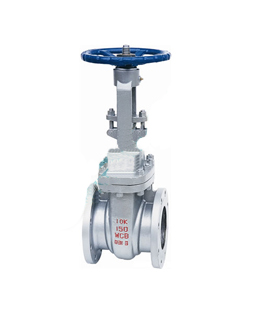
- Gate valve
- Globe valve
- Solenoid valve
- Pneumatic actuator
- Electric actuator
- Positioner
- Tri-clamp
- Butt-weld
- Orbital weld
- Clean-in-place (CIP)
- Sterilize-in-place (SIP)
- Aseptic
- Hygienic
- Electropolish
- Ra surface finish
Engineering & Evaluation Notes
Hygienic valves are judged by cleanability as much as by flow: a polished, electropolished bore with no dead legs supports clean-in-place (CIP) and sterilize-in-place (SIP) without disassembly. Selection balances duty (isolation, regulation, diversion, backflow), connection (tri-clamp versus butt-weld), actuation (pneumatic or electric with a positioner) and material certificate, so the component meets 3-A or FDA expectations for food, dairy, pharmaceutical and bioprocess service.
Last updated: 2026-10-04. Technical review by KOSA Filtration Engineering · LinkedIn. Specifications are typical industry values; confirm exact grades with our engineering team for your duty.